People are typing more into Google than they used to. Instead of two or three keywords, many searches now read like full questions, with context, conditions and follow-ups. Google has confirmed the trend in its own data, and one of its Search engineers has explained what is driving it.
In short: Google searches are getting longer because AI features have taught people that Search can handle complex questions. Google reports that AI Mode searches are, on average, about three times longer than traditional searches. A Google Search engineering director says users now treat queries more like prompts. For site owners, it means content should answer full questions with real detail, not just match short keywords.
What the Data Shows

- About 3x longer: In its May 2026 U.S. insights, Google said the average AI Mode search is about three times the length of a traditional Search query. Google repeated the figure on its Q3 2026 earnings call in October.
- Long queries grow fastest: Google said both short and long queries are growing in AI Mode, but longer ones are growing faster.
- More than text: Google said more than one in six U.S. searches now use voice or images, and on the October earnings call it said one in five AI Mode searches worldwide involves voice, images or documents.
- New intent types: Planning and brainstorming searches in AI Mode are growing faster than AI Mode queries overall, according to Google.
Why Searches Are Getting Longer
On Search Off the Record episode 109, Google Search engineering director Nikola Todorovic said users are discovering that Search can answer more complex questions, and are changing how they search as a result. He said user queries, which people now call prompts, are getting longer and more detailed, and that the average query length is growing.
He framed it as a behavior loop. When Google adds something new, such as image blocks on the results page or AI answers, people learn they can do something new and start searching differently. That new behavior then brings new kinds of traffic.
One Search, Three Eras

Martin Splitt gave a personal example on the same episode. Years ago he searched with keywords such as “restaurant, vegetarian, Zurich.” Later that became a phrase, “vegetarian restaurants in Zurich.” Now he asks vaguer, fuller questions about lunch options that fit his dietary needs, and still gets useful results.
He also described asking questions when he didn’t even know the right term, such as describing a physical effect instead of naming it. In the past, you had to find the name first and then search for it. Todorovic added that longer searches work in both directions: vague questions get understood, and very detailed ones, such as a falafel place that is open now and nearby, return better results.
How Google Handles Longer Queries
Longer questions carry more directions, so Google can split them up. Todorovic explained that Google may run related searches in parallel, a technique called query fan-out, and combine the results into one answer. Our guide to query fan-out explains how it works.
What Longer Searches Mean for Your Content
- Answer the whole question. If someone asks for a vegetarian lunch spot that is open now, the useful page includes the menu, hours and location, not just the word “vegetarian.”
- Cover the follow-ups. Think about what a reader asks next and answer it on the same page, under clear headings.
- Add detail only you have. Long questions often include personal conditions. First-hand testing, prices, comparisons and examples answer them better than generic text.
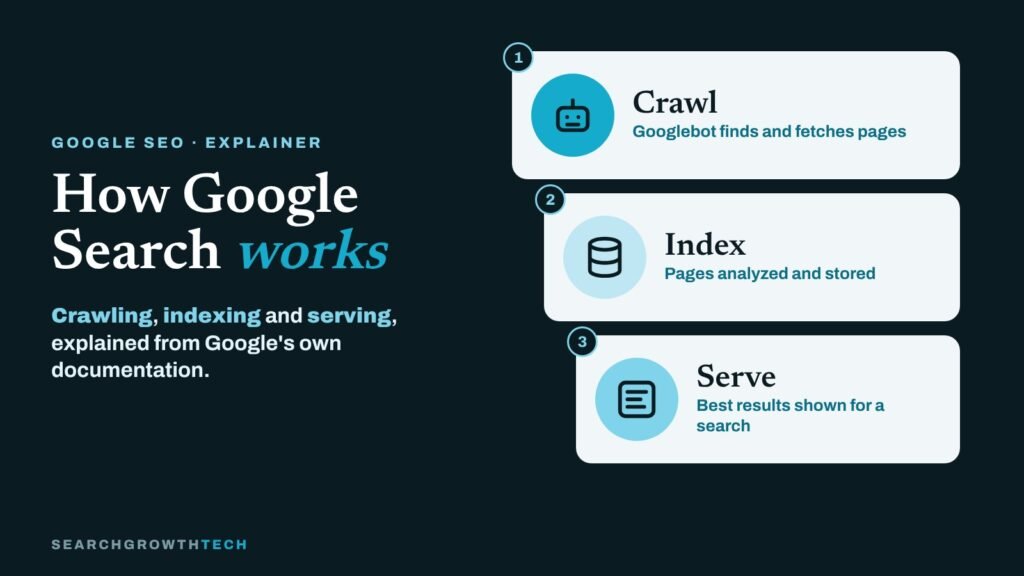
- Keep your basics strong. Google says pages used in AI features must be indexed and eligible for a snippet. See how Google Search works.
- Rethink keyword research. Short head terms still matter, but the questions behind them matter more. Our guide to keyword research for conversational search shows how.
Longer Queries Aren’t New, but the Scale Is
Search queries have been creeping longer for years as people got used to typing full questions and using voice search. What has changed is the pace. Google says AI Mode searches average about three times the length of a traditional search, and that both short and long queries are growing in AI Mode, with long ones growing faster. Todorovic described the result as a new wave of traffic from people realizing they can do something new.
How to Find Long Queries in Search Console
- Open the Performance report and select Search results.
- Add a query filter using a custom regular expression, such as
^(\S+\s){6,}\S+, to show queries with seven or more words. - Sort by impressions to see the long questions people use to find you.
- Open each query and check which page ranks. Does it actually answer the full question?
- Note repeated details, such as locations, budgets, ages or problems, and add them to the page where relevant.
Google counts AI feature traffic in the same report under Web search, so these queries include visits from AI Overviews and AI Mode.
Short vs Long Searches by Industry
| Industry | Short search | Long, conversational search |
|---|---|---|
| Restaurants | vegetarian Zurich | vegetarian lunch near the station that takes groups and is open on Sunday |
| Ecommerce | running shoes | best running shoes for flat feet under $120 for road and light trail |
| Software | CRM | simple CRM for a 5-person sales team that works with Gmail and has a free plan |
| Local services | plumber | emergency plumber who can fix a leaking water heater tonight near me |
Each long version contains several needs. Pages that address those needs clearly have more ways to be found.
Checklist: Update a Page for Longer Searches
- Find the long queries already reaching the page in Search Console.
- Rewrite the opening so it answers the most common full question directly.
- Add sections for the conditions people mention, such as budget, location or skill level.
- Add a short FAQ for follow-up questions that don’t need their own section.
- Include specifics, such as prices, steps, photos or test results.
- Recheck the page’s long queries after four to six weeks.
Small updates like these often help a page match more of the long questions people now ask, without changing what the page is about.
Key Takeaways
- Google says AI Mode searches are about three times longer than traditional searches.
- A Google engineer says people now write queries more like prompts.
- Longer queries are growing faster than short ones in AI Mode.
- Google uses fan-out to handle the many directions in long questions.
- Content should answer full questions with specific, first-hand detail.
FAQs
Are Google searches getting longer?
Yes. Google says AI Mode searches average about three times the length of traditional searches, and longer queries are growing fastest.
Why are search queries getting longer?
Google’s engineers say AI features have shown people that Search can handle complex questions, so users add more detail and context.
Do short keywords still matter for SEO?
Yes, but they are a starting point. The questions people ask around a keyword now shape what content gets found and cited.
Should I write content as questions and answers?
Use questions where they help readers, such as headings and FAQs. Google says you don’t need special phrasing for AI, because its systems understand intent.