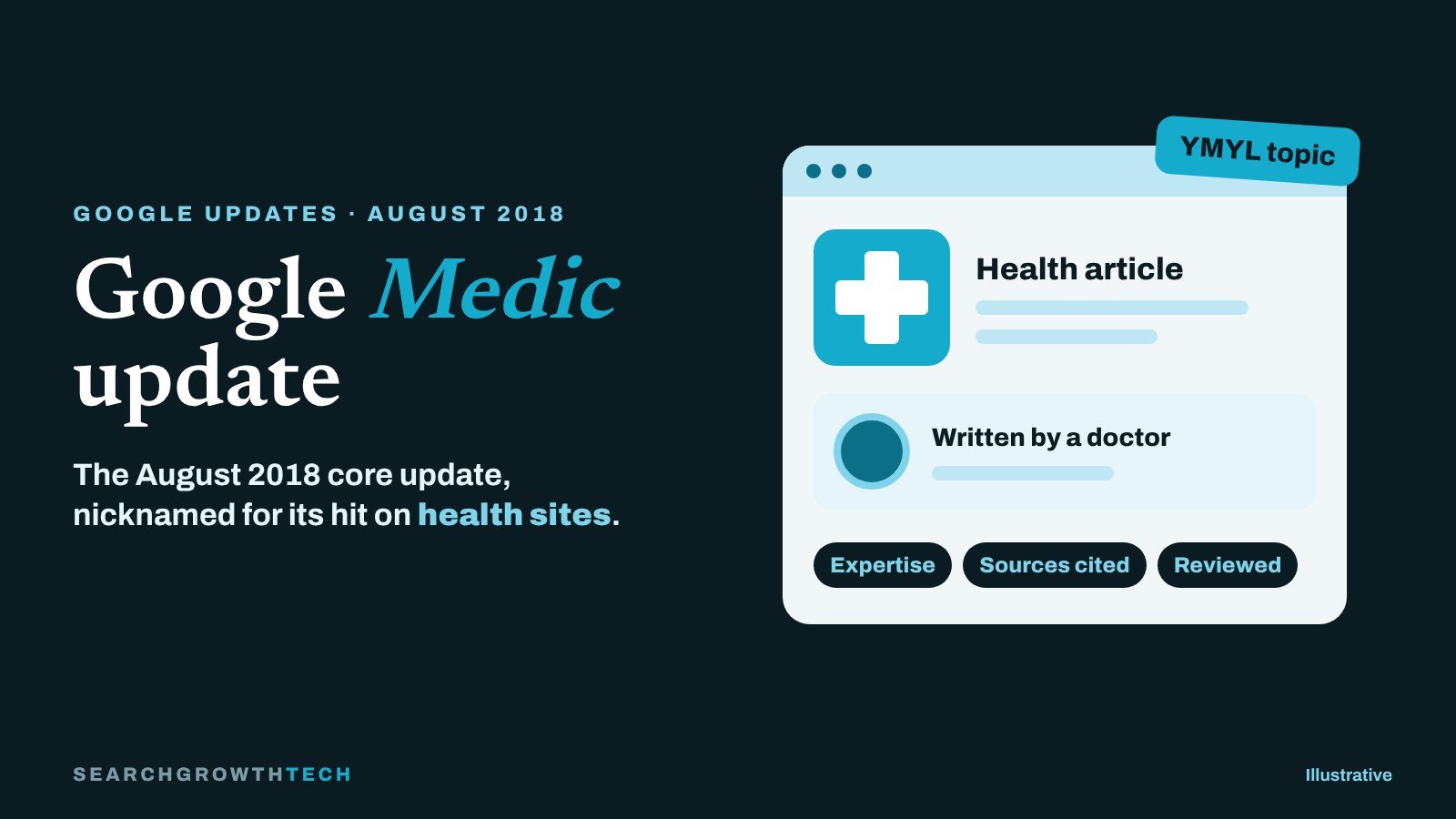
The Google Medic update was a broad core algorithm update that Google confirmed on August 1, 2018. It caused large ranking swings across many industries, but health, medical and wellness sites appeared to be hit hardest, which is how it got its nickname.
Google never called it Medic. The name came from the SEO industry, after early surveys suggested a large share of affected sites were in the health space. Google’s own description was simply a broad core update, with no specific “fix” for sites that lost rankings.
The update is remembered because it pushed the idea of E-A-T (expertise, authoritativeness and trustworthiness) to the center of SEO conversations. That concept became E-E-A-T in December 2022, and it still shapes how site owners think about quality today.
Watch: Google Medic Update Explained
What Was The Google Medic Update?
The Google Medic update was the August 2018 broad core update. A broad core update is a change to Google’s main ranking systems that affects how it assesses content overall, rather than targeting one specific tactic like link spam.
Google confirmed the update through its Search Liaison account, run by Danny Sullivan, and said it was a global rollout. It did not say what percentage of queries were affected.
Barry Schwartz of Search Engine Roundtable named it the “Medic” update a week later. He reviewed more than 300 sites whose owners said they had been affected, and found that over 42% were in the medical, health, fitness or healthy lifestyle space.
Medic Update: Key Facts
| Item | Details |
|---|---|
| Launch date | August 1, 2018 |
| Official name | Broad core algorithm update (no official name) |
| Nickname | “Medic,” coined by Barry Schwartz of Search Engine Roundtable |
| Confirmed by | Google Search Liaison (Danny Sullivan) |
| Scope | Global, all languages |
| Most visible impact | Health, medical and other “Your Money or Your Life” (YMYL) sites |
| % of queries affected | Not stated by Google |
| Status today | Part of Google’s core ranking systems, which Google updates several times a year |
Why Google Launched The Medic Update
Google rarely explains the exact goals of a core update. In 2018 it said broad core updates happen several times a year and that pages which were previously under-rewarded may now do better.
The context helps explain why health sites stood out. Pages about health, money, safety and major life decisions can cause real harm if they are wrong. Google’s Search Quality Rater Guidelines call these “Your Money or Your Life” topics and hold them to the highest quality standard.
Shortly before the update, Google published a revised version of those guidelines. Industry coverage at the time noted that it put more weight on the reputation of the content creator, not only the website, and asked raters to look for clear information about who wrote a page.
What The Medic Update Seemed To Target
Google did not publish a list of targets. Based on industry analysis at the time, the sites that lost visibility often shared some of these traits:
- YMYL content, especially health and medical advice, without clear expert authorship
- Little information about who ran the site or wrote the content
- Weak signals of reputation or trust compared with competing sites
- Commercial pages making health claims without strong supporting evidence
Rank tracking tools reported volatility well beyond health. Data shared by Sistrix, Moz and others showed movement in finance, e-commerce and other categories too. Analysts also found many non-YMYL sites affected, which is a reminder that the nickname oversimplifies a broad update.
How Google Responded To Questions
Many site owners asked Google what to fix. Google’s answer was that there was nothing specific to fix. A drop after a core update did not mean a page had broken a rule, only that other pages were now judged more relevant.
Danny Sullivan advised publishers to focus on great content. For a better sense of what Google means by that, he pointed people to the Search Quality Rater Guidelines, while noting that raters do not directly change rankings.
In August 2019, Google followed up with a Webmaster Central blog post about core updates. It listed questions about content quality and expertise that site owners could ask themselves, and it pointed to the rater guidelines and E-A-T for further reading.
From E-A-T To E-E-A-T
E-A-T stands for expertise, authoritativeness and trustworthiness. It comes from the rater guidelines, not from a single ranking signal. Google has said its systems use a mix of signals that align with what raters look for.
In December 2022, Google added a second E for experience, creating E-E-A-T. Experience covers first-hand knowledge, such as having actually used a product or lived through a situation. Google also described trust as the most important part of the framework.
For YMYL topics, the updated guidelines recognize that personal experience can sometimes be valuable, for example someone sharing how they coped with an illness. Formal expertise still matters most for advice that could cause harm if wrong.
What The Medic Update Means For SEO Today
Core updates now arrive several times a year, and the lessons from August 2018 still apply. If you work on health, finance or other YMYL sites, quality signals deserve the most attention.
- Show who is behind the content. Add author names, credentials and bios, and make it easy to see who owns and runs the site.
- Use qualified reviewers. Have medical, legal or financial content written or reviewed by people with relevant expertise.
- Build real reputation. Mentions, reviews and coverage from independent sources matter more than claims you make about yourself.
- Keep facts current. Update YMYL pages when guidance changes and remove outdated advice.
- Write for people first. Google’s helpful content guidance, now part of its core ranking systems, follows the same thinking.
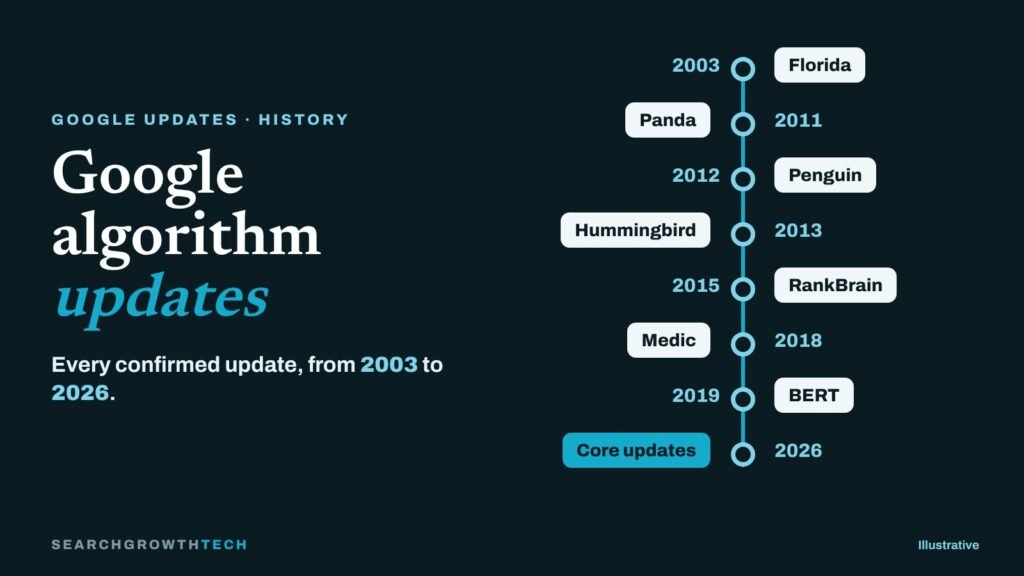
Medic sits in a long line of quality-focused changes that began with Google Panda in 2011. For the full history, see our complete list of Google algorithm updates, and follow new core updates on our Google updates tracker.
Key Takeaways
- The Medic update was Google’s August 1, 2018 broad core update. “Medic” is an industry nickname, not Google’s name.
- Health and other YMYL sites appeared to be hit hardest, but rankings moved across many industries.
- Google said there was no specific fix and pointed site owners to its rater guidelines.
- The update made E-A-T a central SEO topic. Google expanded it to E-E-A-T in December 2022.
- Clear authorship, real expertise and trust remain the best defense against core update drops.
FAQs
Why Is It Called The Medic Update?
Barry Schwartz of Search Engine Roundtable gave it the name after his survey found that over 42% of affected sites were in the health and medical space. Google never used the name.
Did The Medic Update Only Affect Medical Sites?
No. It was a broad core update that affected sites in many industries. Health sites were simply the most visible group in early surveys and tool data.
Is E-E-A-T A Ranking Factor?
Not as a single score. E-E-A-T is a framework from the rater guidelines. Google says its ranking systems use many signals that line up with what E-E-A-T describes.
How Do You Recover From A Core Update?
Google’s advice is to improve overall content quality rather than look for a technical fix. Recovery, if it comes, often shows up after a later core update.